
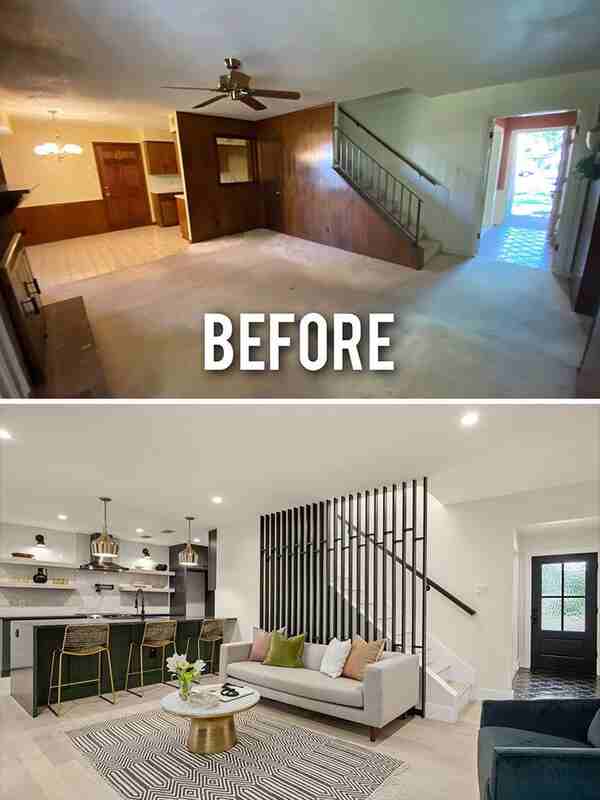
Beyond interior updates, remodeling can also involve structural changes. This includes modifying walls, adjusting ceiling heights, or altering floor plans to open up spaces. Structural remodeling is often chosen when homeowners want a more open environment or better movement between rooms.
Exterior-related remodeling is also part of the broader picture. Updating entryways, improving exterior walls, or adjusting outdoor access points can dramatically change both the appearance and practicality of a home. These changes help create continuity between indoor and outdoor spaces while also improving durability.

Not all home improvements qualify as remodeling. Cosmetic changes, such as painting or replacing fixtures, improve appearance but usually leave the space functioning the same way. Remodeling goes further by changing how an area is used or experienced.
For example, transforming a closed-off room into a shared living space is remodeling. Converting unused areas into functional rooms is also part of this category. Understanding this difference helps homeowners set clearer goals and timelines before starting a project.
Preparation plays a major role in successful remodeling. Before any work begins, homeowners benefit from identifying what problems they want to solve. These may include a lack of storage, poor lighting, inefficient layouts, or outdated features.
Another important factor is long-term planning. Remodeling decisions should consider how the space will be used in the future, not just immediately after completion. Flexible layouts, durable materials, and practical design choices tend to perform better over time.
Budget planning is equally critical. Remodeling often reveals hidden conditions once work begins. Allowing room for adjustments helps keep projects on track and reduces stress during execution.
There are many reasons people invest in remodeling. One of the most common is comfort. A well-designed home is easier to live in and more enjoyable to use every day. Remodeling can also improve efficiency by updating systems, improving insulation, or increasing natural light.
Another motivation is adaptability. Homes built years ago were not designed for today’s needs. Remodeling allows properties to adapt to remote work, accessibility requirements, or multi-purpose living arrangements.
Property value is also a consideration. While not every remodel is done for resale, thoughtful improvements can increase market appeal and long-term value, especially when changes improve usability and quality.
Remodeling projects often involve multiple trades and technical considerations. Even projects that appear simple can uncover issues behind walls or beneath floors. Proper coordination ensures that changes are executed safely and correctly.
Clear planning, accurate measurements, and realistic scheduling all contribute to smoother remodeling outcomes. Quality workmanship ensures that improvements last and continue to perform well years after completion.
Many homeowners approach remodeling gradually. Rather than changing everything at once, they update their homes in stages as needs evolve. This approach allows flexibility and better long-term decision-making.
General remodeling is not about chasing trends. It is about creating spaces that work better, feel more comfortable, and support everyday life. When approached thoughtfully, remodeling becomes an investment in both function and longevity.